Hi, this is Madeline. As Chuseok approaches, the traditional markets are buzzing with even more energy these days.
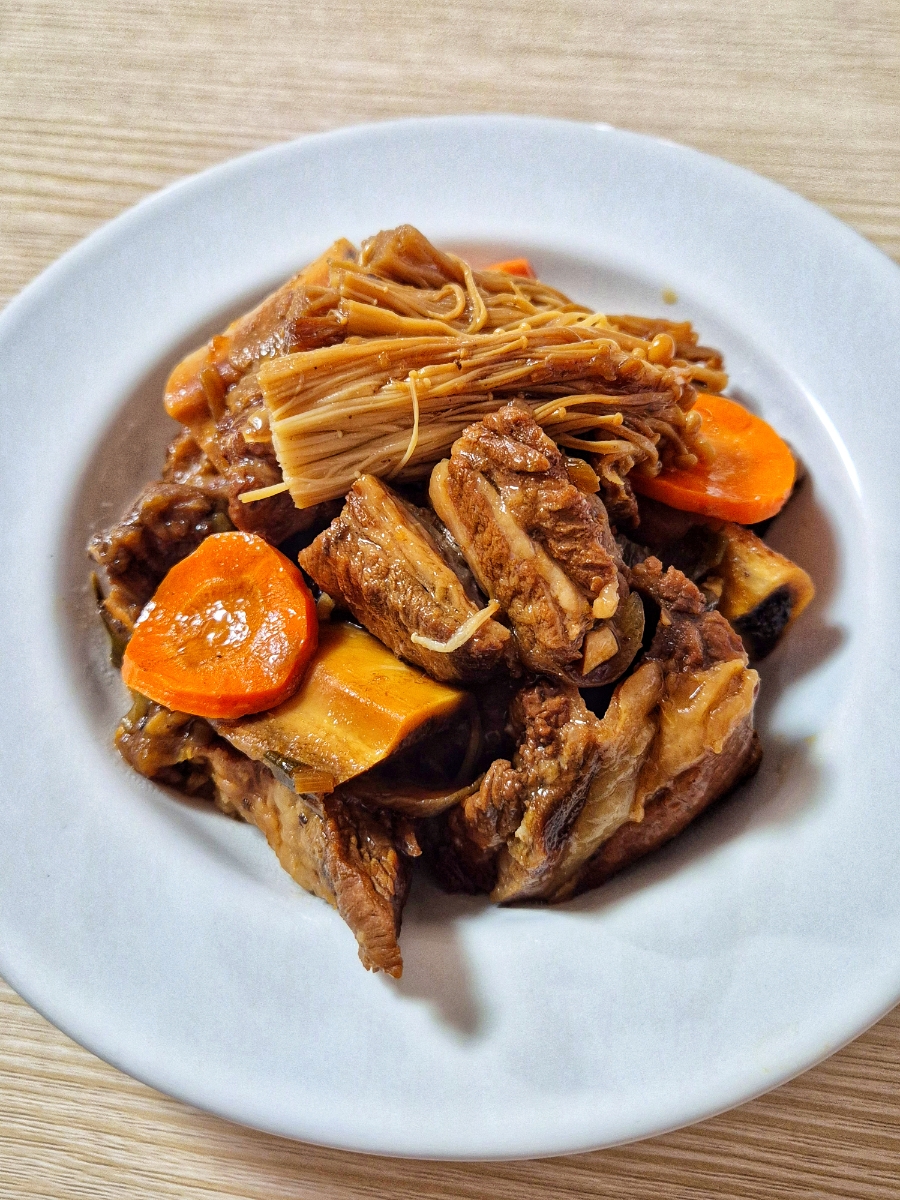
While thinking about what to cook for this holiday, I decided to make sogalbijjim (braised beef short ribs), one of the dishes that always comes to mind first when Chuseok rolls around.
I assumed it would be a labor-intensive dish, what with all the soaking to remove blood and the many steps involved, but it turned out to be much easier than I expected, and the ingredient list was surprisingly simple. This time, I followed the sogalbijjim recipe from Ryu Su-young on the show Fun-Staurant.
Ingredients
- Beef short ribs – 3 geun (1.8kg) (about 4 lbs; “geun” is a traditional Korean weight unit equal to roughly 600g; use bone-in beef short ribs)
- Onion – 2
- Green onion – 1.5 stalks
- Minced garlic – 2 T
- Carrot – 1 (optional)
- Cheongyang pepper – 3 (optional; Korean spicy green chili pepper; can substitute with jalapeño or serrano pepper)
- Enoki mushrooms – 1 pack (optional)
(1 T = 15 ml / 0.5 fl oz, 1 t = 5 ml / 0.17 fl oz)
Sauce
- Sugar – 1 T
- Jin-ganjang – 200ml (about 6.8 fl oz; Korean soy sauce used for cooking; regular soy sauce can be substituted)
- Tuna sauce (chamchi-aek) – 3 T (Korean liquid tuna seasoning concentrate; can substitute with fish sauce or extra soy sauce)
- Mirin – 200ml (about 6.8 fl oz; Korean/Japanese sweet cooking wine)
- Vinegar – 5 T
- Pear juice – 1 can (bottled Korean pear drink used to tenderize and sweeten the meat; can substitute with fresh pear puree or apple juice)
(1 T = 15 ml / 0.5 fl oz, 1 t = 5 ml / 0.17 fl oz)
How to Make It
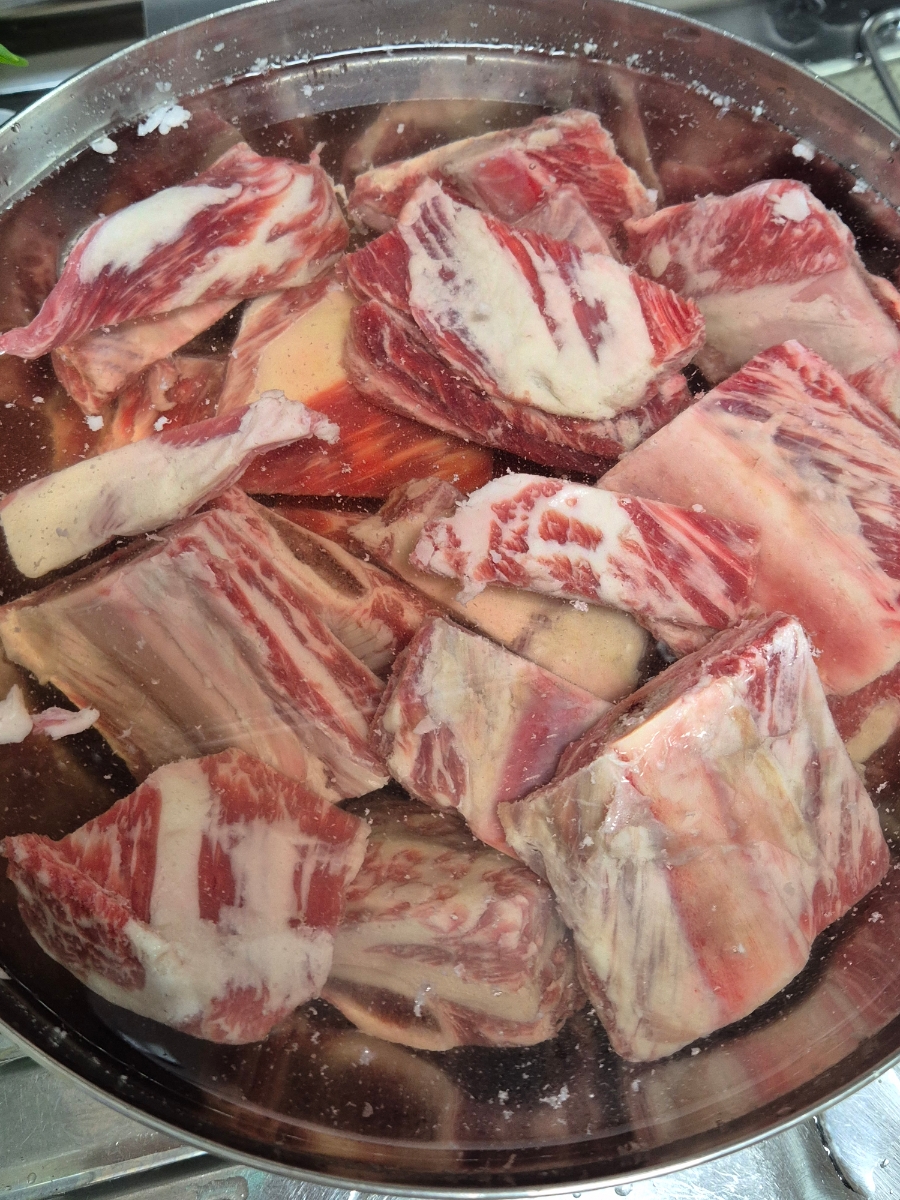
1In a large bowl, place the short ribs, fill with water, and add 2 T of sugar. Let them soak for over an hour to remove the blood.TipRinsing the meat every 30 minutes while soaking helps draw out more blood.TipAfter soaking, be sure to rinse the ribs thoroughly once more, since machine-cut ribs often have small bone fragments left on them.
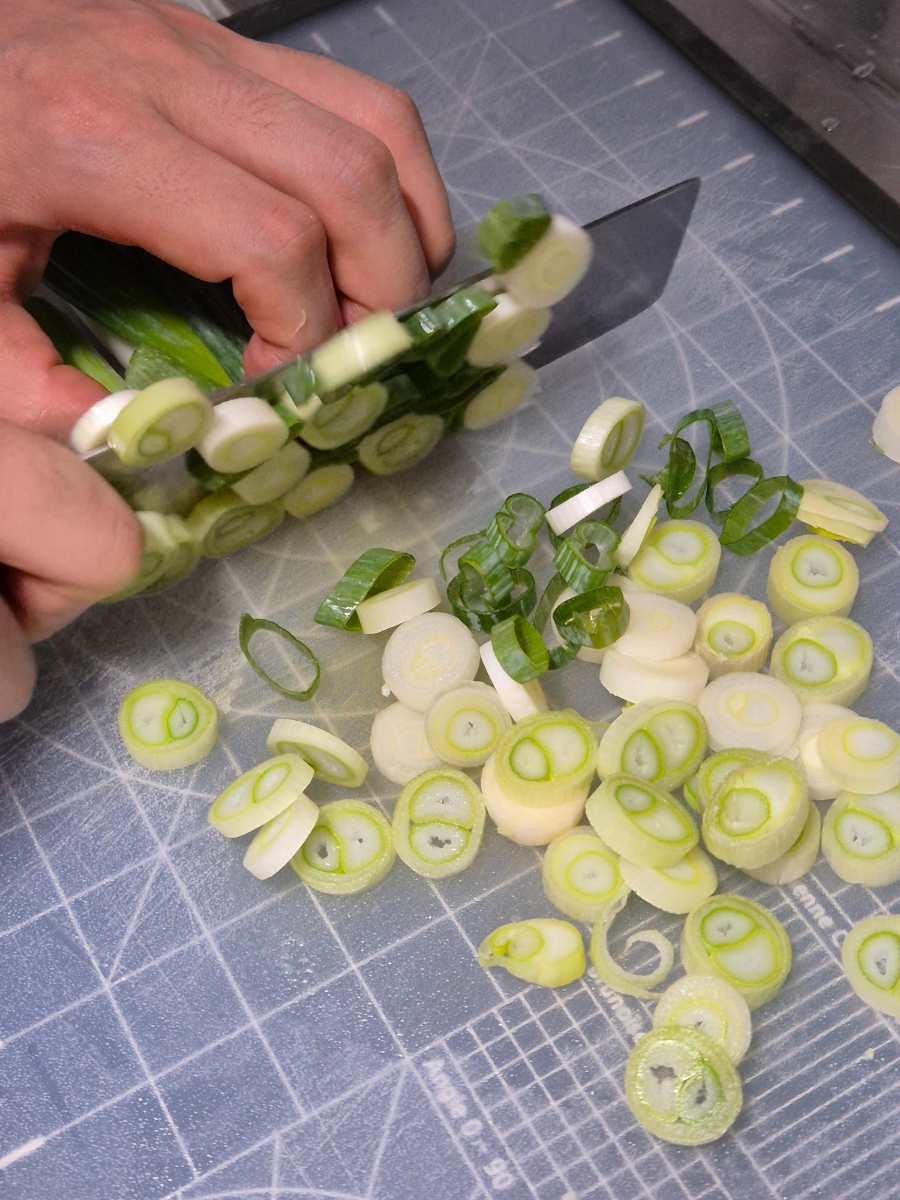

2Thinly slice the green onions, and cut the onion into slightly thick strips.
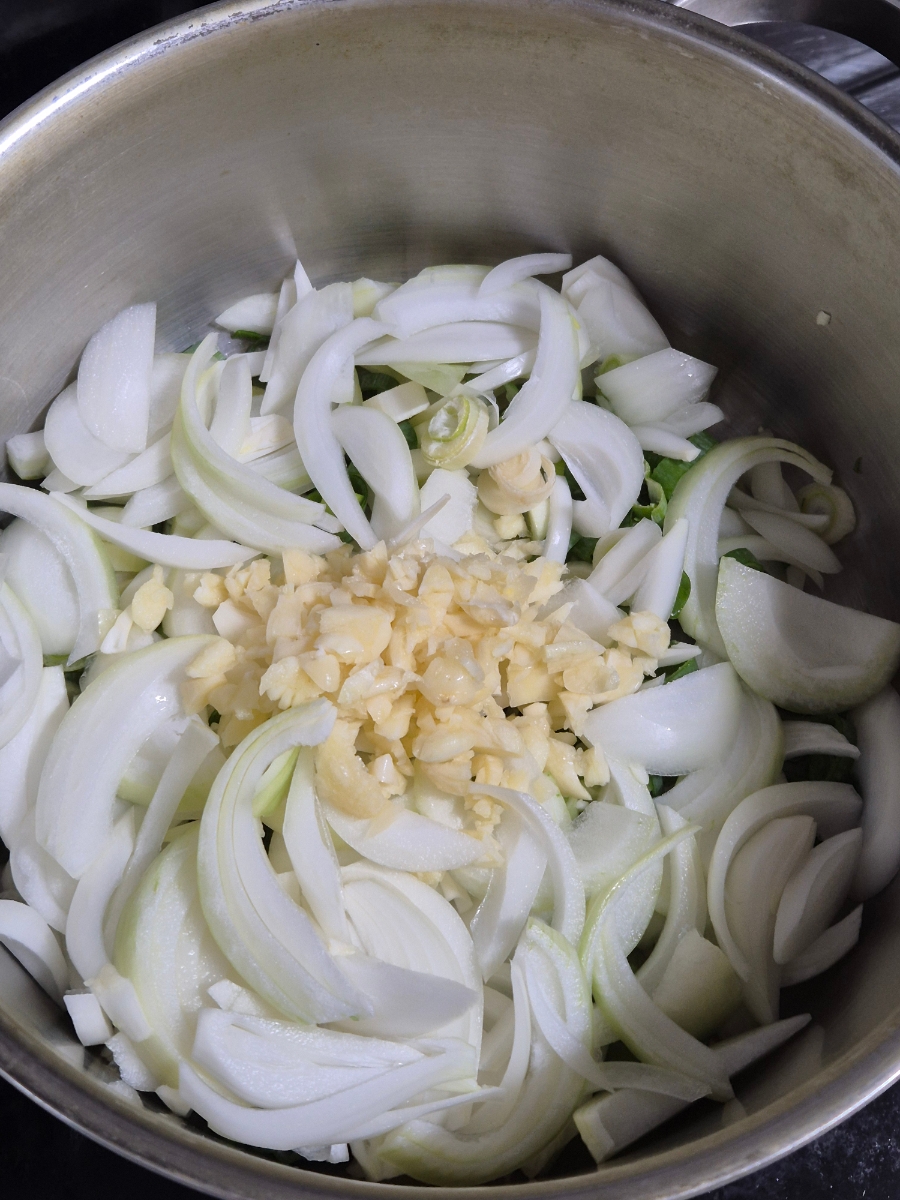

3Heat a bit of oil in a pot, add the green onion, onion, and 2 T of minced garlic, and stir-fry over medium heat.
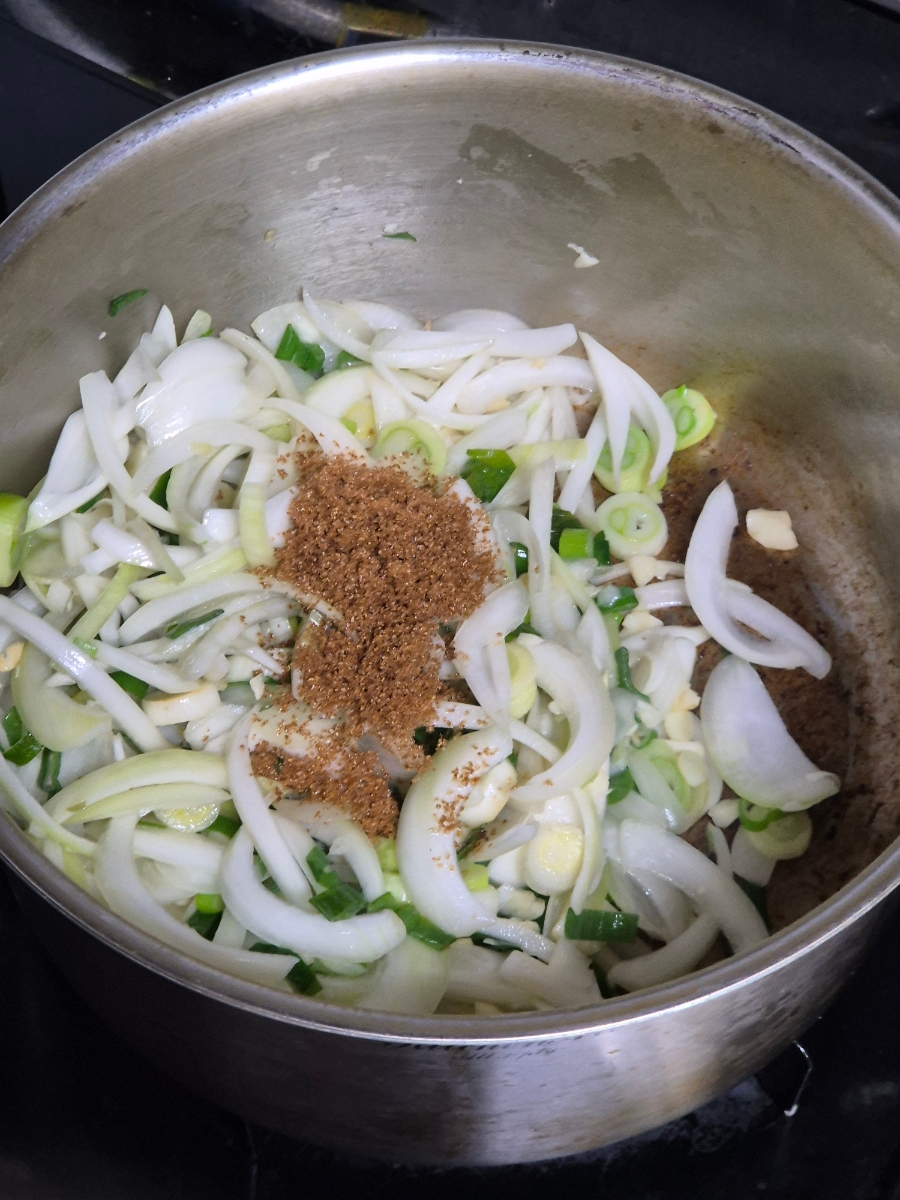
4Once the onion turns slightly translucent, add 1 T of sugar and continue stir-frying.


5As you keep stir-frying, the vegetables will release some liquid; at this point, add 200ml of jin-ganjang and 3 T of tuna sauce, and continue cooking.
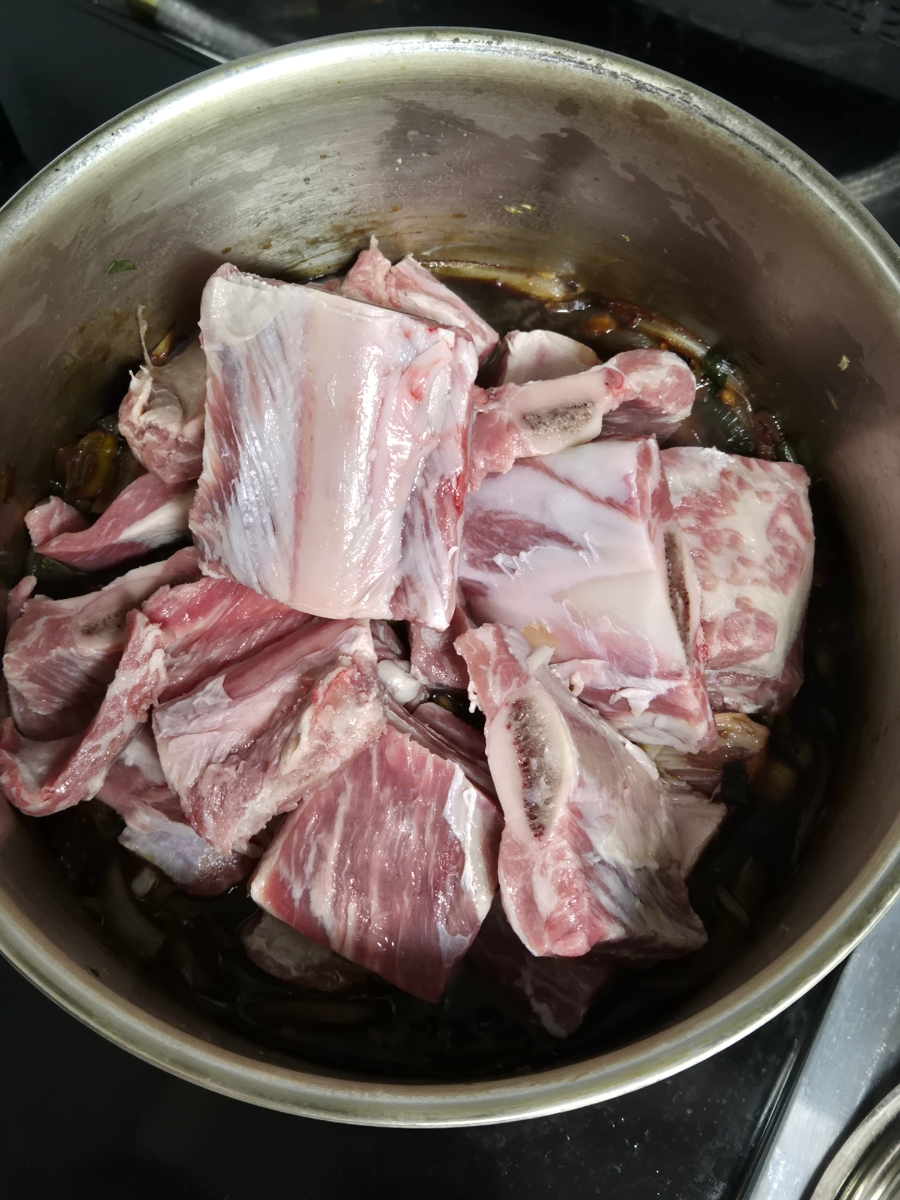

6Once the soy sauce mixture comes to a boil, add the cleaned short ribs and toss to coat.

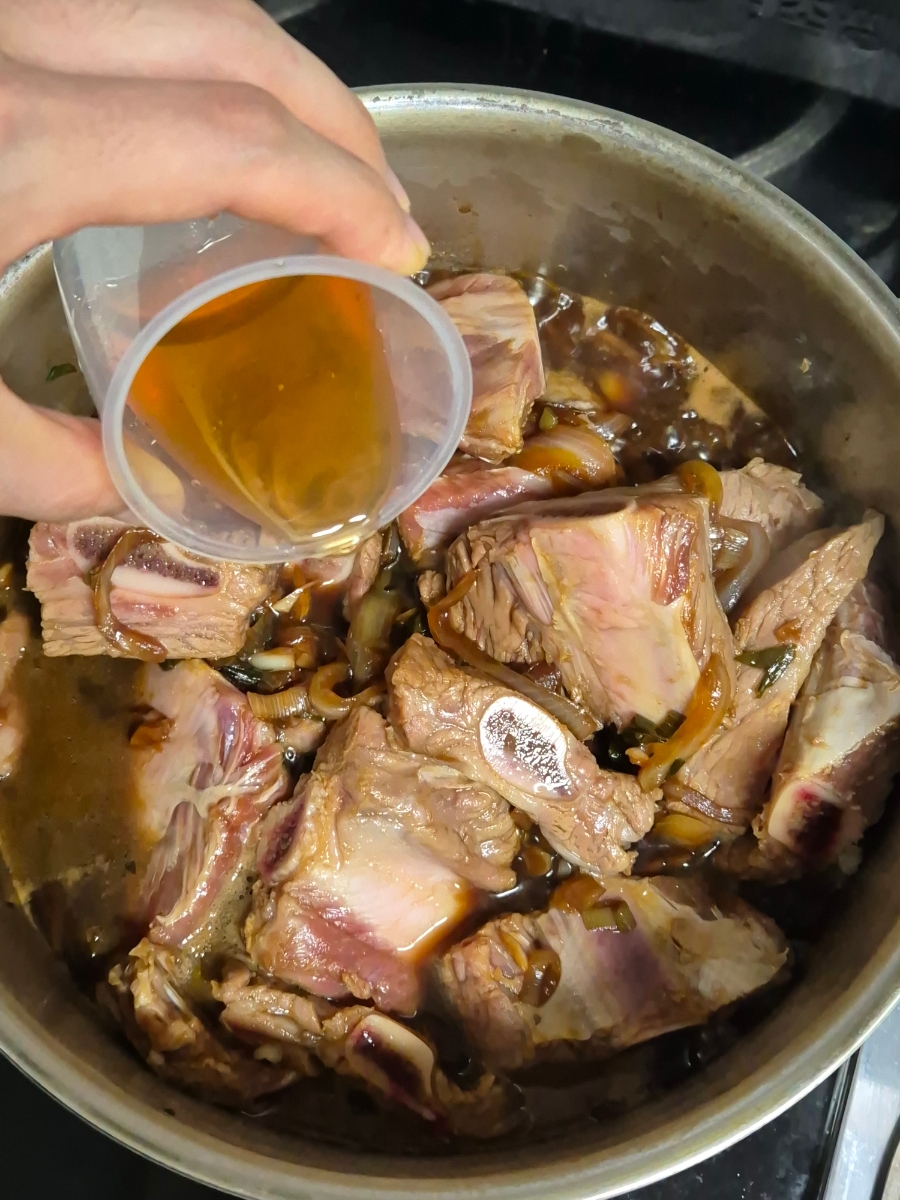
7When it comes back to a boil, add 200ml of mirin and 5 T of vinegar, then boil over high heat.
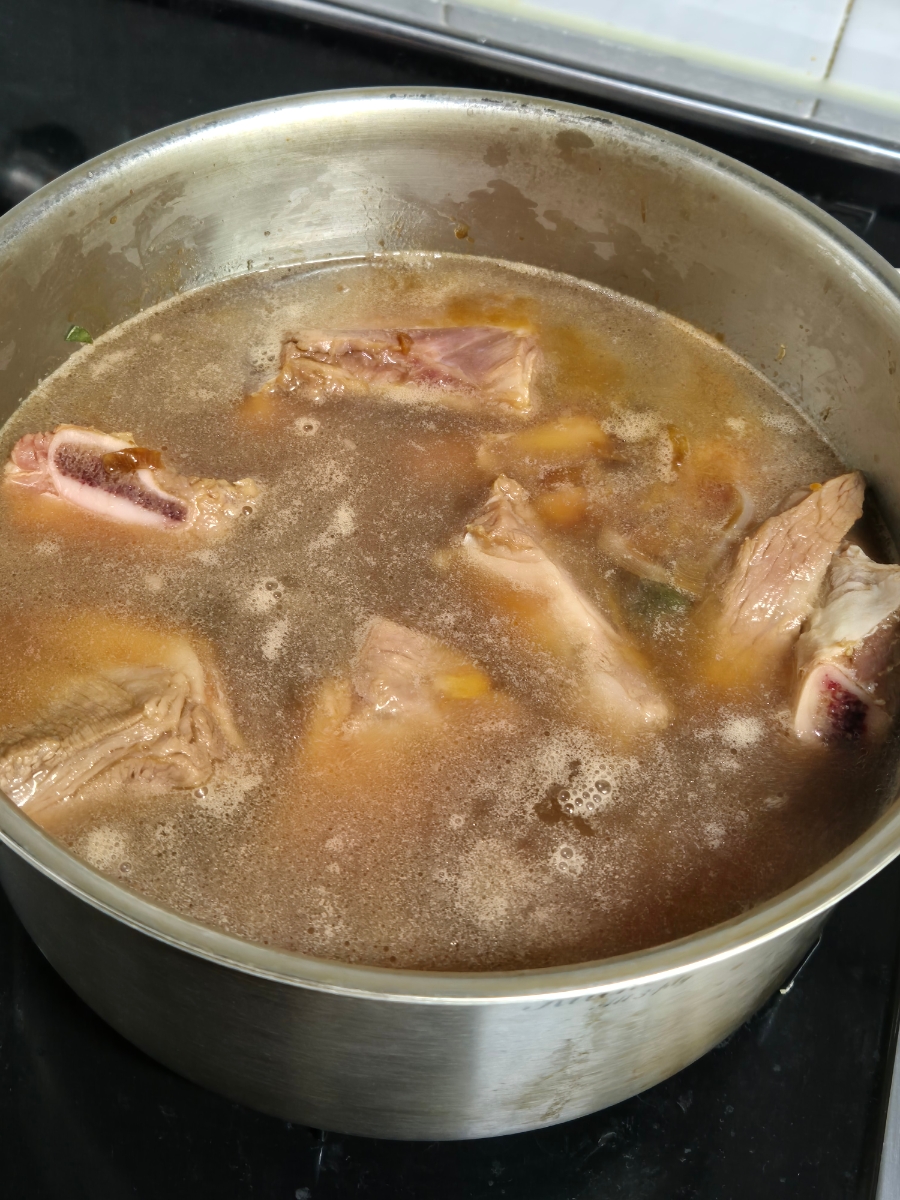

8Once boiling, pour in enough water to just cover the ribs.TipSkim off the foam that forms while boiling for a cleaner-tasting braise.
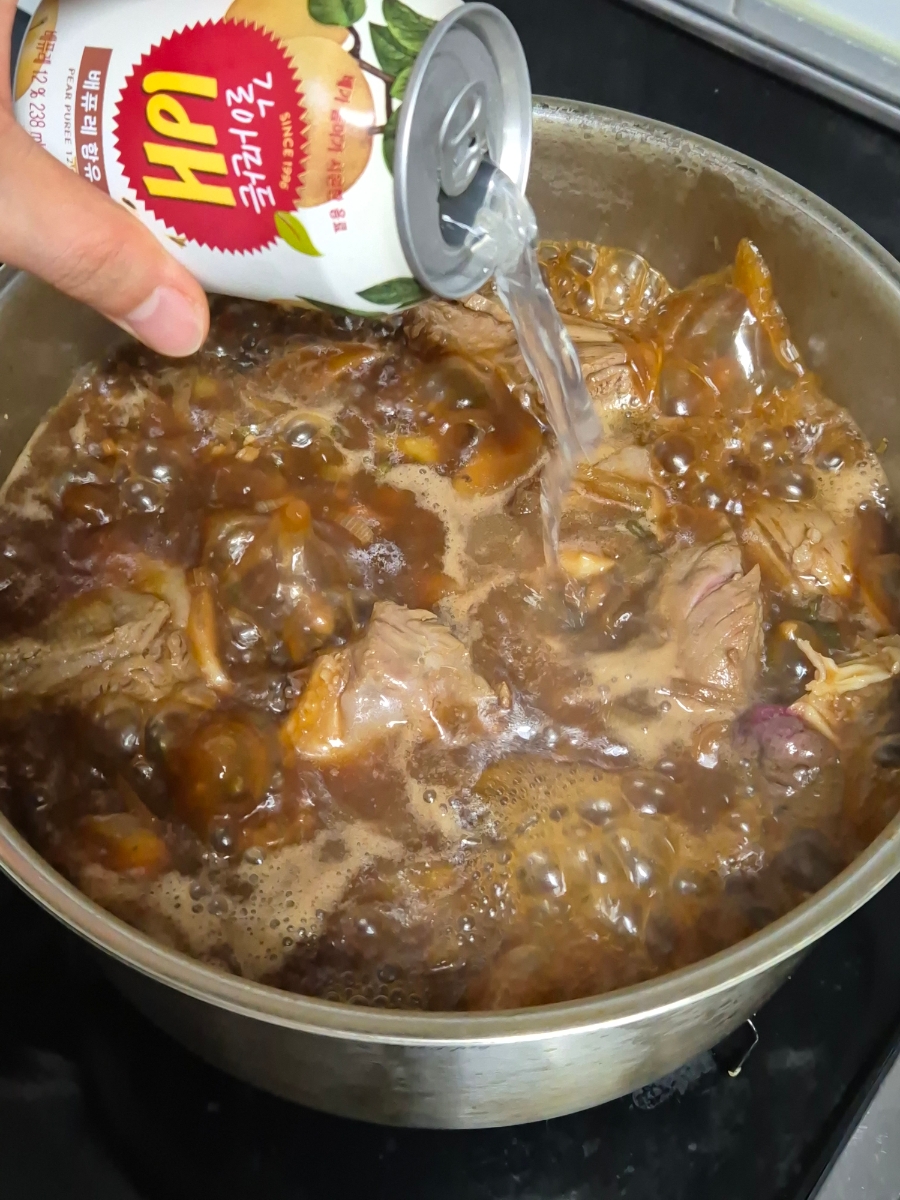
9After removing all the foam, add 1 can of pear juice.TipThis pear drink alone does the job — no need to grate fresh pear.

10Cover with a lid and simmer over low heat for about an hour.


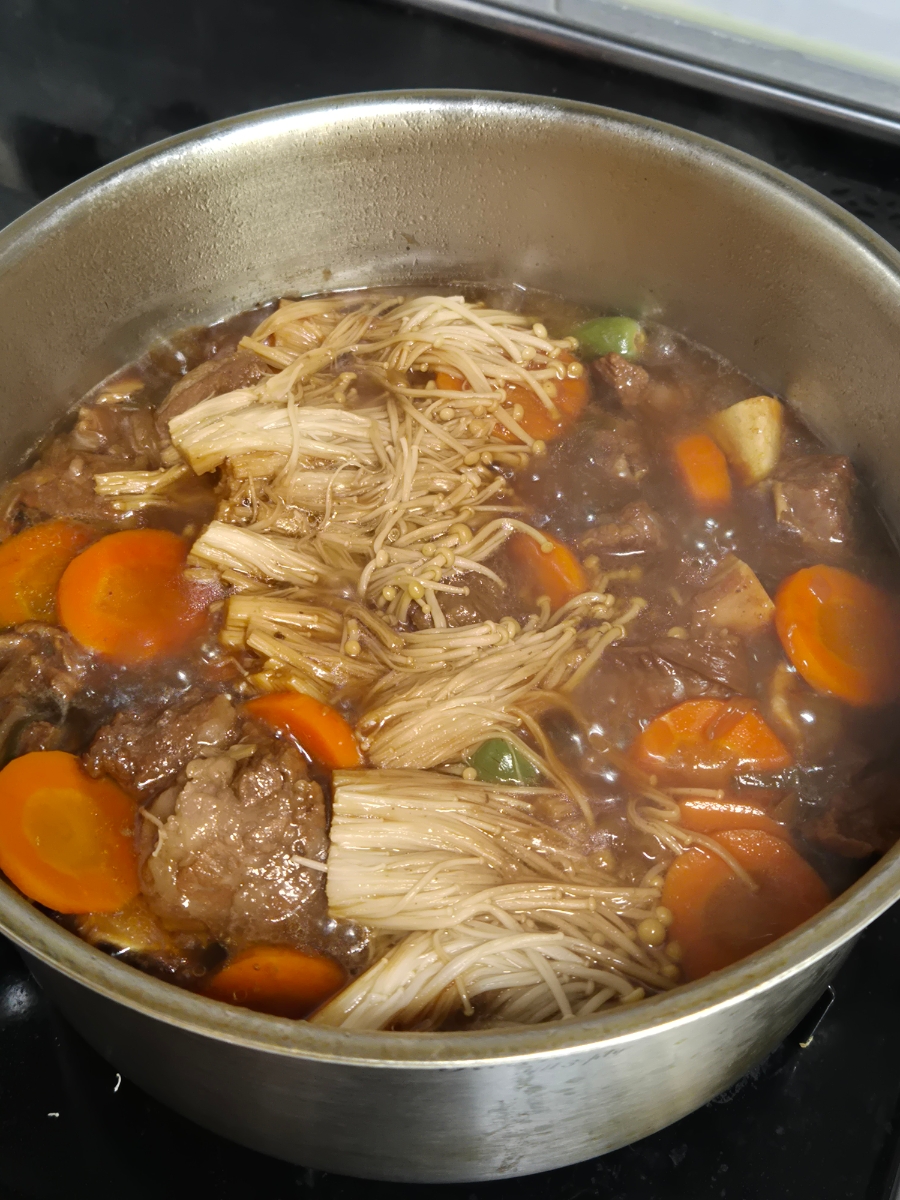
11After an hour, add the cheongyang peppers, enoki mushrooms, and carrots to taste, and simmer for another 10 minutes.

It had a slightly spicy yet sweet flavor, and the seasoning was well-balanced without being too salty.
The meat was so tender that I honestly didn’t feel like I needed kimchi on the side.

Every ingredient was well-seasoned, and the bones slipped right out, making it easy to eat.
This was my first time attempting galbijjim, and it turned out to be a total success.
Ingredients
- Beef short ribs – 3 geun (1.8kg) (about 4 lbs; "geun" is a traditional Korean weight unit equal to roughly 600g; use bone-in beef short ribs)
- Onion – 2
- Green onion – 1.5 stalks
- Minced garlic – 2 T
- Carrot – 1 (optional)
- Cheongyang pepper – 3 (optional; Korean spicy green chili pepper; can substitute with jalapeño or serrano pepper)
- Enoki mushrooms – 1 pack (optional)
- (1 T = 15 ml / 0.5 fl oz, 1 t = 5 ml / 0.17 fl oz)
Sauce
- Sugar – 1 T
- Jin-ganjang – 200ml (about 6.8 fl oz; Korean soy sauce used for cooking; regular soy sauce can be substituted)
- Tuna sauce (chamchi-aek) – 3 T (Korean liquid tuna seasoning concentrate; can substitute with fish sauce or extra soy sauce)
- Mirin – 200ml (about 6.8 fl oz; Korean/Japanese sweet cooking wine)
- Vinegar – 5 T
- Pear juice – 1 can (bottled Korean pear drink used to tenderize and sweeten the meat; can substitute with fresh pear puree or apple juice)
- (1 T = 15 ml / 0.5 fl oz, 1 t = 5 ml / 0.17 fl oz)
How to Make It
- In a large bowl, place the short ribs, fill with water, and add 2 T of sugar. Let them soak for over an hour to remove the blood.
Tip.Rinsing the meat every 30 minutes while soaking helps draw out more blood. - Thinly slice the green onions, and cut the onion into slightly thick strips.
- Heat a bit of oil in a pot, add the green onion, onion, and 2 T of minced garlic, and stir-fry over medium heat.
- Once the onion turns slightly translucent, add 1 T of sugar and continue stir-frying.
- As you keep stir-frying, the vegetables will release some liquid; at this point, add 200ml of jin-ganjang and 3 T of tuna sauce, and continue cooking.
- Once the soy sauce mixture comes to a boil, add the cleaned short ribs and toss to coat.
- When it comes back to a boil, add 200ml of mirin and 5 T of vinegar, then boil over high heat.
- Once boiling, pour in enough water to just cover the ribs.
Tip.Skim off the foam that forms while boiling for a cleaner-tasting braise. - After removing all the foam, add 1 can of pear juice.
Tip.This pear drink alone does the job — no need to grate fresh pear. - Cover with a lid and simmer over low heat for about an hour.
- After an hour, add the cheongyang peppers, enoki mushrooms, and carrots to taste, and simmer for another 10 minutes.